


Over the next 5 to 10 years, what major shifts do you foresee in the coatings and linings industry in APAC, particularly regarding fire protection for infrastructure and high-rise construction?
When selecting fire-resistant materials or systems, engineers may sometimes find it challenging to specify the most appropriate products that fully meet safety standards. While rules and guidelines for fire protection strategies are in place, there may be a lack of consistent enforcement, which can result in varying levels of compliance across projects. Fire protection is a specialized field that plays a vital role in safety. Consistent oversight and awareness can help ensure fire protection strategies are thoroughly understood and effectively applied.
There is an increasing emphasis on “system solutions” rather than standalone products. What makes an effective fire protection system for structural steel in complex environments like high-rises or industrial facilities?
My career in fireproofing began with a vital lesson: passive fire protection exists to protect lives first, and everything else is a secondary concern.
For complex structures, an effective system requires integrated safety and global compliance. We collaborate closely with engineers and owners to ensure every component from the primer to the fire-rated coating works together to safeguard both people and structural integrity. Ultimately, true protection goes beyond standalone products; it requires a certified, tested assembly that meets international safety standards and performs reliably under extreme heat.
How do factors like humidity, temperature, and exposure influence long-term coating performance, and what testing ensures durability?
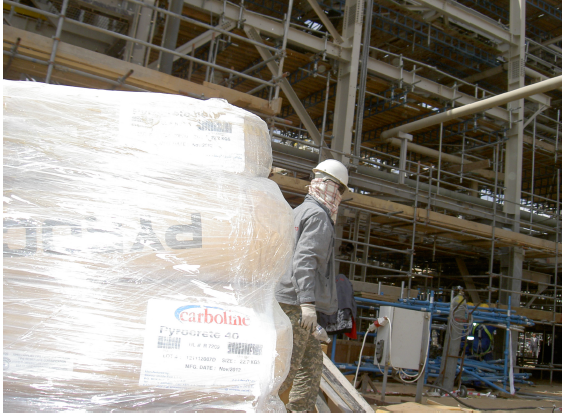
Long-term performance depends entirely on whether technology is cementitious, water-based, or epoxy. Humidity can degrade binders and interfere with expansion, though indoor spaces are less demanding than outdoor environments. Temperature swings, like freeze-thaw cycles, also significantly stress materials. I rely on established ASTM testing protocols and global specifications to ensure durability.
By using accelerated testing, we can accurately estimate environmental impacts, ensuring our fire protection systems remain reliable even in the most challenging conditions.
How is sustainability changing the way we choose building materials, and how do you balance being "green" with the need for high-level safety and performance?
Sustainability in practice means a supply chain with the lowest possible carbon emissions and replenishable raw materials. However, protecting the asset is an often-overlooked factor. You could have an excellent bio-based product with a zero-carbon footprint, but if it fails to function, there is a significant environmental cost to replace that asset. True environmental responsibility means balancing green innovation with the high-performance durability required to ensure long-term safety.
What are the main opportunities and challenges for the APAC fireproofing market, and how should the industry adapt to new expectations?
The greatest opportunity is the rise of local fire protection requirements across APAC. While global specifications once dominated, local projects are now prioritising their own standards. The challenge is the lack of a unified regional standard, like those in Europe. I believe the industry must adapt by developing consistent, regionally accepted rules similar to the BS or EN standards. This shift will streamline product development and supply, helping us meet evolving regulatory and technical expectations more efficiently.
On a personal level, what keeps you engaged in fire protection industry that operates largely behind the scenes but plays such a critical role in safety?
I began my career at Carboline/Nullifire as a laboratory chemist, where I spent my days testing materials under fire. My fascination with the industry lies in the complexity of the field - solving for various steel sizes, service conditions, and technical variables. It is a constant, intriguing challenge. Ultimately, I am motivated by the fact that our products operate behind the scenes to protect lives. My true motivation is the knowledge that our products operate behind the scenes to save lives and I couldn’t be happier with the field I have chosen!

 |
Need Support? |



 Fire Protection
Understanding Firestopping and Fire Protection
Fire Protection
Understanding Firestopping and Fire Protection
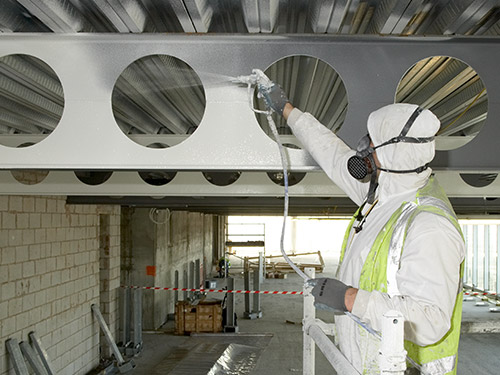
Firestopping and fire protection are different forms of passive fire protection for a building structure. Passive fire protection performs a compartmentalising role in the event...
 Fire Protection
Intumescent Paints: On-site vs Off-site Applications
Fire Protection
Intumescent Paints: On-site vs Off-site Applications
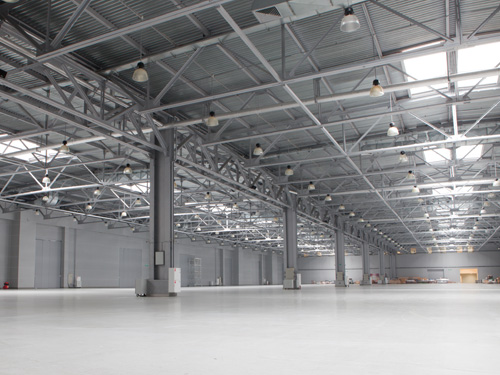
On-site application of intumescent paint is often used by applicators either because of tight construction schedules or logistical considerations...

Sign up for our newsletter